Loading...
One API · Live Engine Registry
Extract text from any document
One API to access Tesseract, EasyOCR, docTR, GPT-4o, Gemini, Claude, and more. Compare accuracy and pricing. Switch engines with one line of code.
Powered by
Tesseract
One API · Every engine · Pay as you go
174+
Engines
28
Providers
Up to ~1,170 pages / $1
Pricing
100+
Languages
Powered by leading OCR providers
SSiliconFlow
 Apple
Apple OCR.space
 ABBYY
ABBYYCCerebras
HHugging Face
 Rossum
 PaddleOCR
 Nanonets
LLocal
 AWS
AWSSSambaNova
 Azure
Azure Klippa
 Mathpix
 Google Cloud
 DeepInfra
OOpenRouter
 Tesseract
 Open-OCR.com
 Fireworks AI
GGroq
 Mistral AI
 Together AI
 OpenAI
 Anthropic
DDatalab
IIBM Docling (hosted)
Top engines
Highest accuracy across benchmarks
DDatalab
Datalab Convert (accurate)
Hosted document conversion with Markdown and native structured JSON in accurate mode. One page per request.
77.2% accuracy100 pages / $1$0.01/page
primary-only
OOpenRouter
Meta: Llama 4 Maverick
Llama 4 Maverick 17B Instruct (128E) is a high-capacity multimodal language model from Meta, built on a mixture-of-experts (MoE) architecture with 128 experts and 17 billion active parameters per forward pass (400B total). It supports multilingual text and image input and produces multilingual text and code output across 12 supported languages. Optimized for vision-language tasks, Maverick is instruction-tuned for assistant-like behavior, image reasoning, and general-purpose multimodal interaction.
71% accuracy~1,560 pages / $1* (Estimated for a standard page of about 1,800 characters (250–300 words). This model bills by tokens, so denser pages cost more and sparser pages cost less.)~$0.00064 per standard page
printed-texthandwritingmulti-language
OOpenRouter
Anthropic: Claude Opus 4.5
Claude Opus 4.5 is Anthropic’s frontier reasoning model optimized for complex software engineering, agentic workflows, and long-horizon computer use. It offers strong multimodal capabilities, competitive performance across real-world coding and reasoning benchmarks, and improved robustness to prompt injection. The model is designed to operate efficiently across varied effort levels, enabling developers to trade off speed, depth, and token usage depending on task requirements.
67.5% accuracy~46.1 pages / $1* (Estimated for a standard page of about 1,800 characters (250–300 words). This model bills by tokens, so denser pages cost more and sparser pages cost less.)~$0.0217 per standard page
printed-texthandwritingmulti-language
How it works
Create account
Email and password. Takes 30 seconds.
Get your API key
Generate a key from your dashboard in one click.
Extract text
Send an image, pick an engine, get structured text back.
Pay as you go
Add credits when you need more. Pay for what you use.
From the blog
Plain-language breakdowns of the latest OCR and document-AI research
14 min read
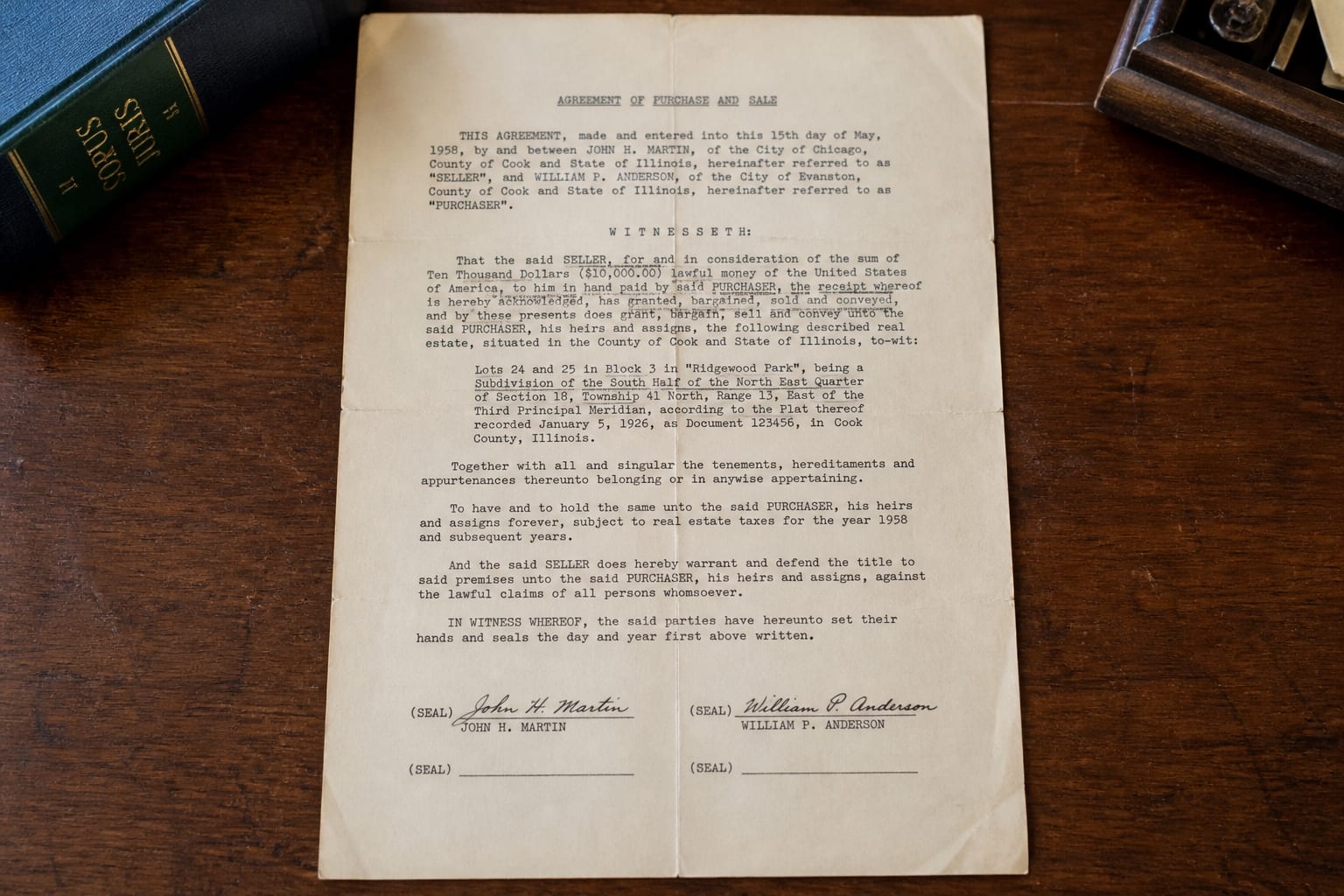
SP-DocReader: Cutting Vary-600K OCR Error Rates in Half with Difference-Aware Self-Play
On Qwen3-VL-4B, SP-DocReader reduces Vary-600K character error rate by roughly 54% versus two-epoch supervised fine-tuning, training an OCR module while keeping the backbone frozen.
19 min read
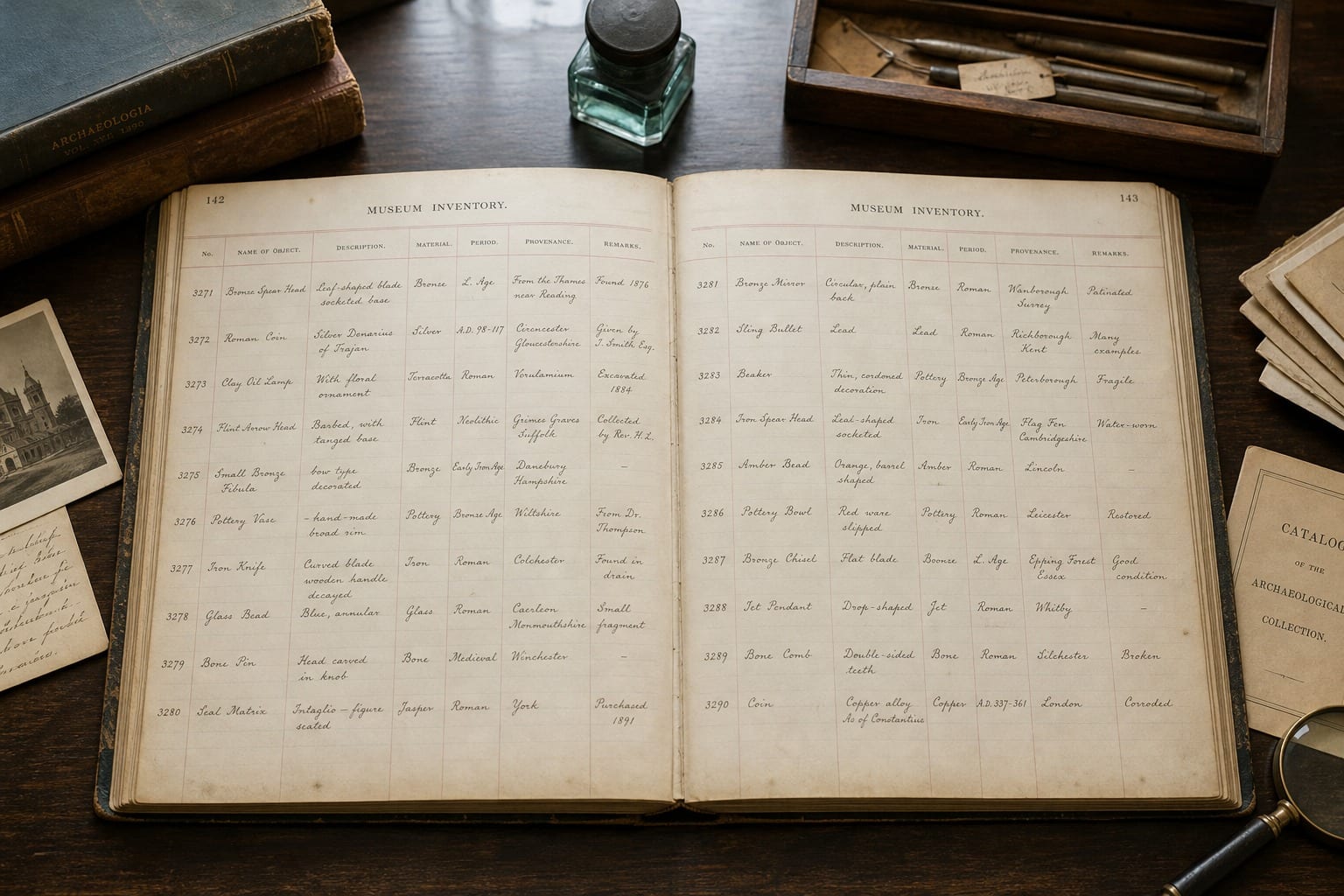
Small Models, Structured Data: Can Lightweight VLMs Replace Cloud APIs for Complex Document Extraction?
Can 4B–7B vision models extract structured JSON from messy archives on local GPUs? A new FAU Erlangen study benchmarks 8 open-weight VLMs across university collections.

10 min read
We Sent a Blank White Page to 184 OCR Engines. Some of Them Read It Anyway.
When you show modern vision models an empty 800-by-1000 white image, classical OCR engines return silence. Newer models compose UFO letters, Victorian court cases, and gut health ads.
Why use OpenOCR?
Stop integrating OCR engines one by one. One API gives you access to all of them.
FeatureOpenOCRDIY
Single API for all engines
Switch engines with one line
Compare accuracy side-by-side
Unified billing (pay-as-you-go)
Built-in fallback routing
Language code normalization
No vendor lock-in
Managed engine hosting
Built for real document workflows
Choose the output you need, handle long-running documents, and compare engines with production data.
Markdown responses
Request JSON, plain text, or a text/markdown response from the same /v1/ocr endpoint.
Async PDF workflows
For image-only engines, PDFs over 20 pages return a background job with page progress. Explicit async requests can deliver results to your webhook.
Idempotent retries
Retry with the same Idempotency-Key to reuse the original request without a second debit.
Live engine stats
Browse per-engine uptime and latency stats, with current local-engine health refreshed every 30 seconds.
Two-engine playground
Run the same file through two engines and review both results in the playground.
$1 free to start
New accounts receive $1 in starter credits with no credit card required.
Start extracting text in minutes
Create an account, get $1 in starter credits, generate an API key, and make your first OCR request.
No credit card required · Pay as you go · No minimum commitment